
Latur District Biodiversity & Environment Conservation Initiative
afnan
March 17, 2026
SHAILESH KUMDALE
March 17, 2026
avinash tele
December 29, 2025
KRISHNA DATTATRAY DESHPANDE
December 28, 2025
Ulhas
December 27, 2025
Shivshree Foundation
December 27, 2025
Simran
December 27, 2025
Rahul Garg
February 17, 2025
Trial I
February 17, 2025
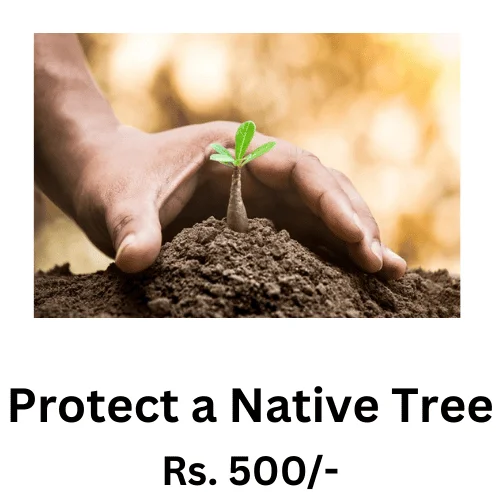
“The institute will support government bodies, educational institutions, and communities with data, training, and technical guidance, ensuring that environmental protection becomes an integral part of regional development planning.”
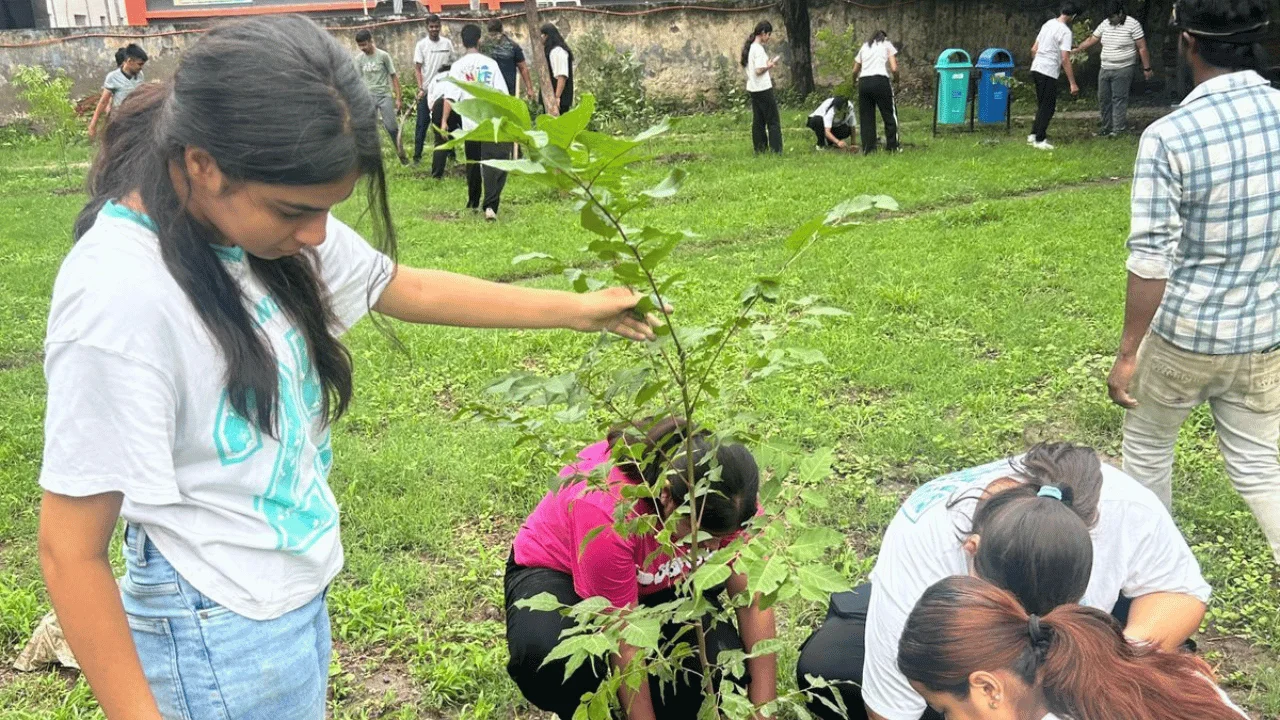
INTRODUCTION
Latur District is one of the most environmentally stressed regions in the Marathwada belt, facing severe challenges such as water scarcity, rising temperatures, soil degradation, and continuous biodiversity loss. With forest cover limited to just 0.49%, the district falls dangerously short of national environmental standards. To address this crisis, Shivshree Foundation has launched the Latur District Biodiversity and Environment Conservation Research & Training Institute (LBECI) — a long-term, science-backed initiative aimed at creating 5% green cover across all 948 villages of Latur District through integrated environmental restoration, research, training, and community participation.
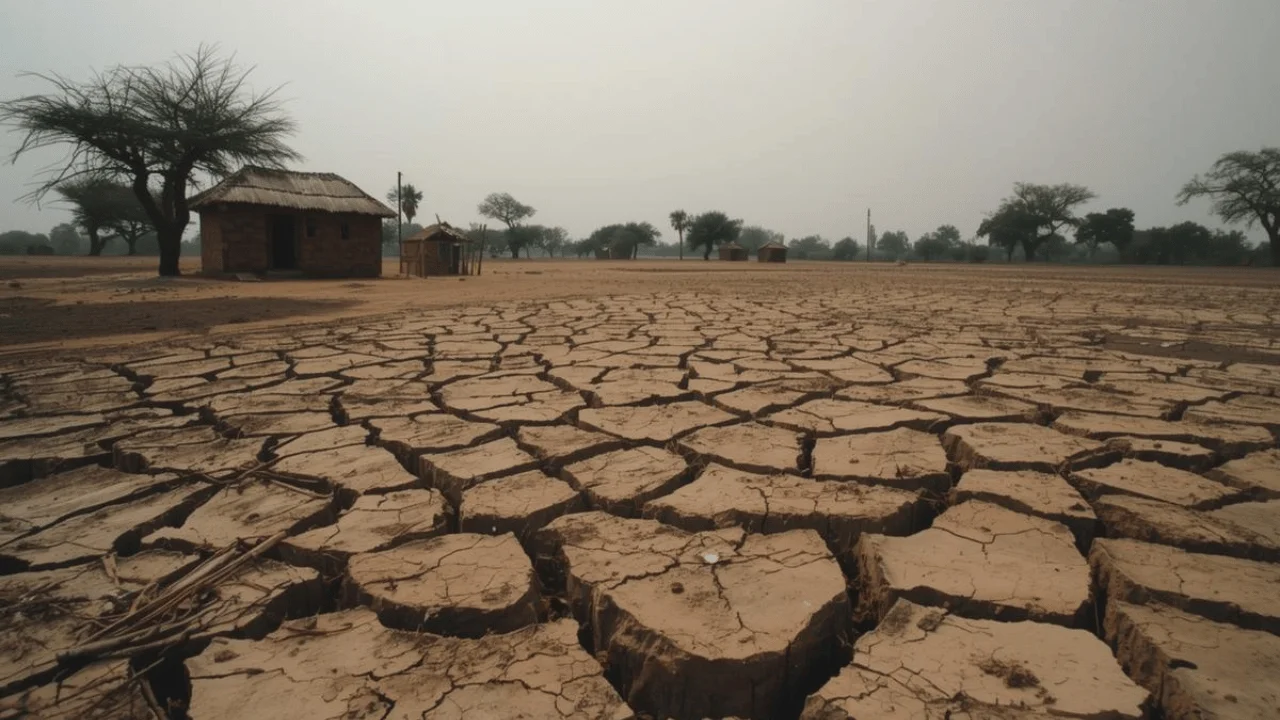
THE ENVIRONMENTAL REALITY OF LATUR DISTRICT
Latur District spans a geographical area of 7,157 sq. km, of which nearly 65% is agricultural land. However, a significant portion of this land remains fallow due to irregular rainfall, groundwater depletion, high input costs, and challenging terrain conditions.
Despite having multiple rivers and dams such as Manjara, Terna, Gharni, Devraj, and Tawarja, unchecked siltation, soil erosion, and inadequate conservation practices have reduced their long-term sustainability. With only ~40 sq. km of forest cover, the district faces an alarming ecological imbalance.
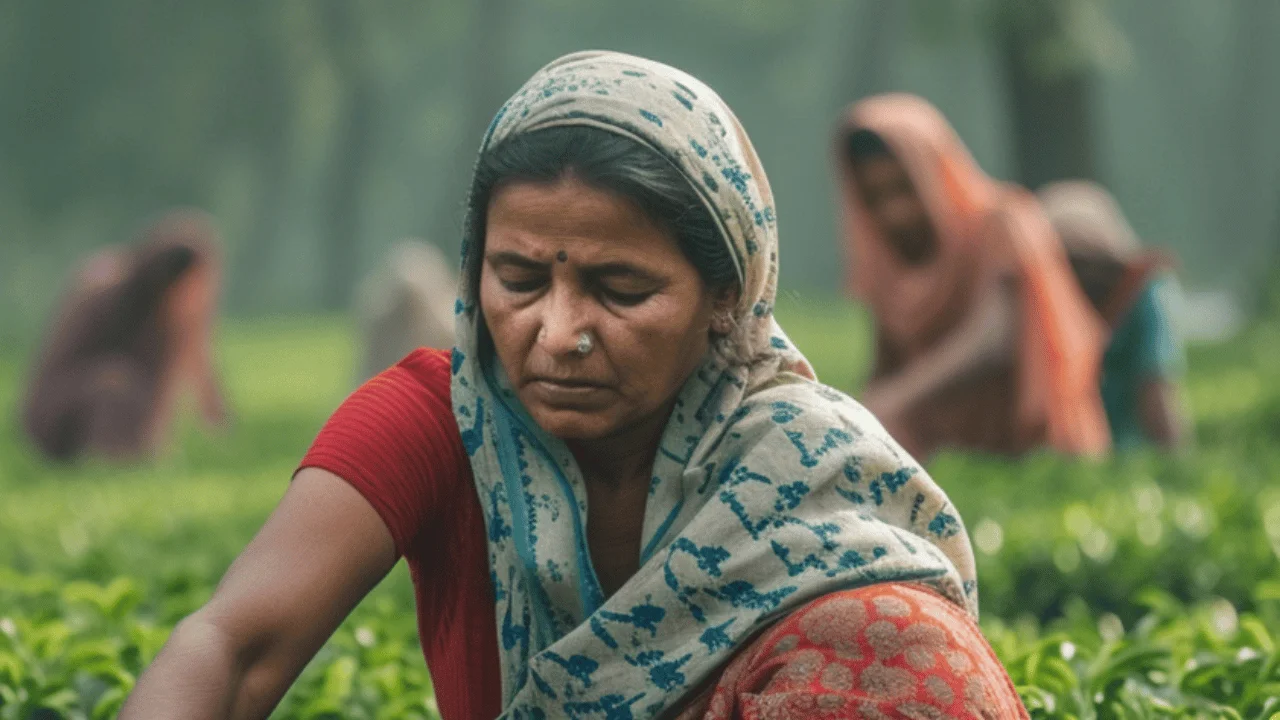
WHY THIS PROJECT IS NECESSARY
With forest cover below 1%, Latur District experiences rising temperatures, declining soil fertility, reduced agricultural productivity, and worsening water scarcity. Scientific research and national environmental guidelines clearly state that 20–33% green cover is essential for ecological stability.
By creating 5% planned green cover within village boundaries, this project will:
- Improve rainfall infiltration and soil moisture
- Reduce drought intensity and heatwaves
- Increase groundwater recharge by 1–3 meters
- Reduce siltation in rivers and dams
CORE OBJECTIVE OF LBECI
Primary Objective
The core objective of the Latur District Biodiversity and Environment Conservation Research & Training Institute (LBECI) is to scientifically plan, implement, and sustain 5% green cover across all 948 villages of Latur District through a structured, research-driven, and community-led approach.
This objective goes beyond plantation numbers. It focuses on long-term ecological restoration by integrating biodiversity conservation, soil and water management, climate-resilient species selection, and continuous monitoring.

PROJECT GOALS & TARGETS
- Plantation and conservation of 30 crore trees over 5 years
- Development of green belts along rivers, schools, grazing lands, and Panchayat lands
- Increase forest cover from 0.49% to 5%
- Raise groundwater levels by 1–3 meters
- Prepare Gram Panchayat Environmental Action Plans
- Create 10,000+ green employment opportunities
WHY THIS PROJECT IS NECESSARY
With forest cover below 1%, Latur District experiences rising temperatures, declining soil fertility, reduced agricultural productivity, and worsening water scarcity. Scientific research and national environmental guidelines clearly state that 20–33% green cover is essential for ecological stability.
By creating 5% planned green cover within village boundaries, this project will:
- Improve rainfall infiltration and soil moisture
- Reduce drought intensity and heatwaves
- Increase groundwater recharge by 1–3 meters
- Reduce siltation in rivers and dams
KEY FOCUS AREAS
Biodiversity Conservation
LBECI will undertake detailed documentation of flora and fauna across the district, develop a District Biodiversity Register
Ecosystem & Environmental Research
The project includes comprehensive studies on soil, water, and air quality, assessment of human impact on ecosystems, and restoration of wetlands, rivers, and forest areas using scientific methodologies.
Environmental Education & Training
LBECI will function as a training and capacity-building hub, conducting structured programmes for students, farmers, NGOs
PROJECT SCOPE & IMPLEMENTATION
The project will be implemented through:
- GIS-based village-wise environmental surveys
- Identification of land suitable for green cover expansion
- Selection of climate-resilient native species
- Nursery development, drip irrigation, and assured water sourcing
- Guaranteed maintenance and monitoring for 3 years
- Active participation of Gram Panchayats, schools, SHGs, and youth groups
- Annual evaluation and public reporting mechanisms
BENEFICIARIES & PARTNERS
Primary Beneficiaries
- Rural communities and farmers
- Students, researchers, and educators
- Biodiversity Management Committees (BMCs)
Partner Institutions
- Government departments (Forest, Environment, Agriculture, Water Resources)
- Universities and research institutions
- Environmental NGOs and CSR partners
EXPECTED OUTCOMES
Environmental Outcomes
- Over 500 sq. km of green cover
- Reduction in average temperature by 2–3°C
- Improved groundwater levels
Economic & Social Outcomes
- Increased agricultural productivity
- Employment in nurseries and maintenance
- Oxygen parks, food forests, and eco-learning zones
- Self-employment opportunities for women
LONG-TERM VISION
LBECI envisions becoming the central knowledge, research, and training hub for environmental conservation and sustainable development in the Marathwada region. By combining scientific research, field implementation, policy alignment, and community engagement, the institute will play a pivotal role in shaping long-term ecological resilience in drought-prone districts like Latur.
Through the creation of 5% green cover, development of district-level biodiversity databases, promotion of climate-resilient agriculture, and capacity building of local institutions, LBECI aims to transform Latur into a model district for environmental self-reliance.
“Every girl carries the potential to uplift her family, her community and her nation. When she receives the right guidance and support, her growth becomes a powerful force that inspires meaningful and lasting change.”
Updates
We will share recent updates and progress of this campaign here. Stay tuned for the latest developments and success stories.